Executive Summary
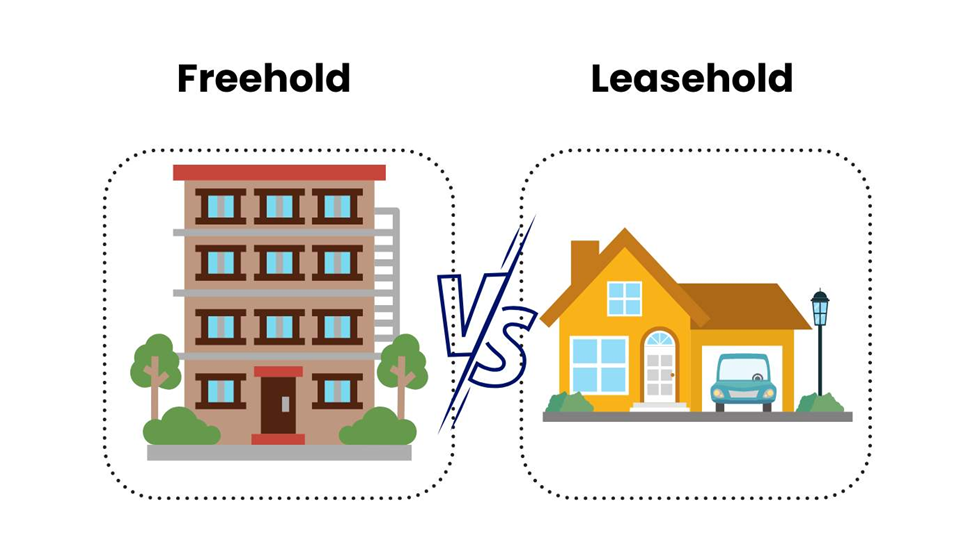
Freehold and leasehold are the two primary forms of property ownership available in the UAE, and understanding the difference is essential before making any real estate investment. While both ownership structures allow buyers to acquire property, they differ significantly in ownership rights, investment potential, inheritance, flexibility and long-term value.
For most long-term investors, freehold ownership provides greater control, stronger capital appreciation potential and the ability to pass the property to future generations. Leasehold properties, however, can still represent attractive opportunities for buyers prioritising affordability, established communities or shorter investment horizons.
This guide explains the differences between freehold and leasehold ownership in the UAE, compares their advantages and disadvantages, highlights the best communities for each ownership type and provides practical guidance to help investors determine which option best suits their financial objectives.
Key Takeaways
- Freehold ownership gives buyers permanent ownership of both the property and the land.
- Leasehold ownership grants the right to occupy and use a property for a fixed period, commonly up to 99 years.
- Freehold properties generally offer stronger long-term investment potential.
- Leasehold properties may provide lower entry prices and access to mature communities.
- Foreign nationals can purchase freehold property in designated investment zones across the UAE.
- The best ownership structure depends on your investment goals rather than a universal “better” option.
Freehold vs Leasehold: Quick Comparison
| Feature | Freehold | Leasehold |
|---|---|---|
| Ownership | Permanent ownership of land and property | Right to occupy property for a fixed term |
| Inheritance | Can be passed to heirs | Subject to remaining lease period |
| Investment Potential | Excellent long-term appreciation | Depends on remaining lease duration |
| Control | Greater flexibility | Certain alterations may require approval |
| Typical Cost | Higher | Lower |
| Best For | Long-term investors & end-users | Budget-conscious buyers & shorter investment horizons |
XIS Research
Freehold versus leasehold is one of the most frequently searched real estate topics among UAE property buyers because ownership structure influences future resale value, financing options, inheritance rights and long-term investment returns.
Understanding Freehold and Leasehold Ownership
Choosing between freehold and leasehold ownership is one of the most important decisions a property buyer will make. Although both ownership structures allow you to purchase property in the UAE, they provide very different legal rights, investment opportunities and long-term financial outcomes.
Understanding these differences before purchasing can help investors avoid costly mistakes while selecting the ownership model that best aligns with their objectives.
What Is Freehold Property?
Freehold ownership gives the buyer permanent ownership of both the property and the land on which it is built. Once purchased, the owner has the legal right to occupy, lease, sell or transfer the property without any ownership expiry.
Foreign nationals can purchase freehold properties within designated investment zones across the UAE, making freehold one of the most popular ownership structures for international investors.
| Freehold Feature | Why It Matters |
|---|---|
| Permanent Ownership | No ownership expiry date. |
| Own the Land | The land forms part of the ownership. |
| Transferable | Can be sold, gifted or inherited. |
| Investment Potential | Greater opportunity for long-term capital appreciation. |
| Rental Flexibility | Owners can rent the property subject to community regulations. |
Some of Abu Dhabi’s most sought-after freehold investment destinations include:
- Al Reem Island
- Saadiyat Island
- Yas Island
- Al Maryah Island
- Hudayriyat Island
- Masdar City
XIS Expert Insight
For investors seeking wealth creation over decades, freehold ownership generally provides the strongest combination of flexibility, inheritance rights and long-term appreciation potential.
What Is Leasehold Property?
Leasehold ownership gives the buyer the legal right to occupy and use a property for a fixed period rather than owning the land permanently. Lease periods commonly extend up to 99 years, although this can vary depending on the specific agreement.
Once the lease expires, ownership arrangements are determined by the lease agreement unless an extension or renewal is negotiated.
| Leasehold Feature | Why It Matters |
|---|---|
| Fixed Ownership Period | Typically up to 99 years. |
| Lower Entry Price | Often more affordable than freehold. |
| Established Communities | Common within mature neighbourhoods. |
| Restrictions | Some alterations may require approval. |
| Resale Value | Can be influenced by the remaining lease term. |
Leasehold ownership can be an excellent option for buyers prioritising affordability, convenient urban locations or medium-term occupancy rather than long-term wealth accumulation.
XIS Expert Insight
Leasehold should not automatically be viewed as inferior. For buyers with defined investment horizons or lifestyle objectives, leasehold properties can provide excellent value while reducing initial acquisition costs.
Freehold vs Leasehold: Complete Comparison
| Aspect | Freehold | Leasehold |
|---|---|---|
| Ownership | Permanent | Fixed lease period |
| Land Ownership | Included | Not included |
| Inheritance | Unlimited | Subject to remaining lease |
| Capital Growth | Generally stronger | Depends on lease duration |
| Property Modifications | Greater flexibility | May require approval |
| Purchase Cost | Typically higher | Typically lower |
| Best Suited For | Long-term investors and end-users | Lifestyle buyers and shorter investment horizons |
XIS Research Conclusion
Neither ownership structure is universally superior. The right choice depends entirely on the buyer’s investment strategy, financial objectives, intended holding period and long-term plans within the UAE property market.
Why Freehold vs Leasehold Matters More Than Ever in 2026
The UAE property market continues to attract investors from around the world, making ownership structure an increasingly important part of every purchasing decision.
Whether you’re purchasing your first apartment in Abu Dhabi, investing in an off-plan villa on Yas Island or building a long-term portfolio across the UAE, understanding the legal and financial differences between freehold and leasehold ownership can significantly influence your future returns.
Ownership affects more than just legal rights—it influences financing options, resale value, inheritance planning, rental flexibility and long-term capital appreciation.
Why Investors Are Paying More Attention to Ownership Structure
| Market Trend | Why It Matters |
|---|---|
| Growing International Demand | More overseas buyers are entering the UAE property market. |
| Expansion of Freehold Communities | Developers continue launching new investment destinations. |
| Golden Visa Programme | Property ownership remains a major consideration for long-term residency planning. |
| Institutional Investment | Greater international confidence continues supporting premium developments. |
| Lifestyle Migration | Professionals increasingly relocate permanently to the UAE. |
| Long-Term Wealth Planning | Investors are focusing more on inheritance and asset preservation. |
As investment activity continues increasing across Abu Dhabi and Dubai, buyers are no longer simply comparing communities—they are evaluating ownership structures as part of their long-term financial planning.
How Ownership Structure Affects Investment Performance
Although two properties may appear almost identical, their ownership structure can produce very different financial outcomes over time.
| Investment Objective | Freehold | Leasehold |
|---|---|---|
| Long-Term Capital Growth | ★★★★★ | ★★★☆☆ |
| Inheritance Planning | ★★★★★ | ★★☆☆☆ |
| Rental Portfolio | ★★★★★ | ★★★★☆ |
| Lower Initial Budget | ★★★☆☆ | ★★★★★ |
| Lifestyle Purchase | ★★★★★ | ★★★★☆ |
| Flexibility | ★★★★★ | ★★★☆☆ |
XIS Expert Insight
One of the biggest misconceptions among first-time buyers is that freehold is always the correct choice. The better question is whether the ownership structure aligns with your investment strategy. A well-priced leasehold property in a mature community may outperform an overpriced freehold property purchased in the wrong location.
Who Typically Chooses Freehold vs Leasehold?
| Buyer Profile | Recommended Ownership | Reason |
|---|---|---|
| Long-Term Investor | Freehold | Maximum appreciation and ownership flexibility. |
| Buy-to-Let Investor | Freehold | Greater long-term portfolio growth. |
| Family Purchasing a Home | Freehold | Permanent ownership and inheritance benefits. |
| Budget-Conscious Buyer | Leasehold | Lower acquisition costs. |
| Short-to-Medium-Term Resident | Leasehold | May better suit temporary residency plans. |
| Lifestyle Purchaser | Depends on Community | Location and lifestyle may outweigh ownership structure. |
XIS Research Conclusion
The strongest investments are not determined solely by whether a property is freehold or leasehold. They are determined by selecting the right property, in the right location, at the right price, under the ownership structure that best supports your long-term financial objectives.
Freehold Property: Advantages and Disadvantages
Freehold ownership remains the preferred option for many long-term investors because it provides permanent ownership, greater flexibility and stronger wealth-building potential. However, it also comes with higher acquisition costs and greater financial responsibility.
Advantages of Freehold Ownership
| Advantage | Investment Benefit |
|---|---|
| Permanent Ownership | You own both the property and the land indefinitely. |
| Capital Appreciation | Historically stronger long-term investment performance. |
| Inheritance Rights | Property can be transferred to future generations. |
| Rental Flexibility | Generate rental income without ownership limitations. |
| Higher Buyer Demand | Typically stronger resale market. |
| Greater Control | More freedom to renovate, improve or sell the property. |
1. Long-Term Wealth Creation
Freehold ownership allows investors to participate fully in long-term capital appreciation while retaining complete ownership of both the land and improvements.
Premium communities such as Saadiyat Island, Yas Island and Al Reem Island have demonstrated why freehold properties continue attracting both local and international investors seeking sustainable long-term growth.
2. Complete Ownership Flexibility
Owners have significantly greater flexibility to lease, sell, refinance or transfer their property compared with many leasehold arrangements.
This flexibility makes freehold particularly attractive for investors building diversified property portfolios.
3. Better Long-Term Exit Opportunities
Because ownership does not expire, resale values are generally influenced by market conditions, location and property quality rather than a declining lease period.
XIS Expert Insight
Investors often focus exclusively on today’s purchase price. In reality, long-term investment performance is usually determined by resale demand 10–20 years later. Permanent ownership often provides greater protection against value erosion over extended holding periods.
Disadvantages of Freehold Ownership
| Disadvantage | Investor Consideration |
|---|---|
| Higher Purchase Price | Requires greater initial capital. |
| Service Charges | Owners remain responsible for ongoing community costs. |
| Maintenance Costs | Repairs and upkeep are generally the owner’s responsibility. |
| Limited Availability | Foreign ownership remains restricted to designated investment zones. |
Although these factors increase ownership costs, many investors consider them acceptable in exchange for permanent ownership and stronger long-term appreciation potential.
XIS Research Conclusion
For investors planning to hold property for many years, freehold ownership generally provides the strongest balance between flexibility, appreciation potential and wealth preservation.
Leasehold Property: Advantages and Disadvantages
Leasehold ownership remains an attractive option for many buyers entering the UAE property market. While it does not provide permanent ownership of the land, it can offer lower acquisition costs, access to established communities and an attractive lifestyle proposition for buyers with shorter investment horizons.
Advantages of Leasehold Ownership
| Advantage | Investment Benefit |
|---|---|
| Lower Purchase Price | Reduced capital required to enter the market. |
| Established Communities | Often located within mature neighbourhoods. |
| Lifestyle Value | Excellent for buyers prioritising convenience and location. |
| Lower Initial Financial Commitment | Suitable for buyers with smaller investment budgets. |
| Professional Property Management | Some developments include extensive maintenance support. |
1. Lower Entry Cost
Leasehold properties often require a smaller initial investment than comparable freehold properties, making them attractive for first-time buyers and investors seeking exposure to desirable locations without committing to higher acquisition costs.
2. Prime Established Locations
Many leasehold communities are situated within mature urban districts that already benefit from established infrastructure, retail facilities, schools, healthcare services and excellent transport connections.
3. Lifestyle-Focused Ownership
For buyers intending to live in the property rather than hold it indefinitely as an investment, leasehold ownership may provide excellent value while offering access to premium neighbourhoods that might otherwise be financially out of reach.
XIS Expert Insight
Leasehold ownership should not automatically be viewed as a compromise. For buyers with defined residency plans or medium-term investment objectives, the lower acquisition cost can improve overall financial efficiency.
Disadvantages of Leasehold Ownership
| Disadvantage | Investor Consideration |
|---|---|
| Ownership Expiry | Ownership is limited to the remaining lease term. |
| Reduced Long-Term Appreciation | Value may be affected as the lease period decreases. |
| Approval Requirements | Certain alterations or subletting may require permission. |
| Lease Renewal Uncertainty | Renewal terms vary depending on the agreement. |
| Inheritance Limitations | Future ownership rights depend on the remaining lease. |
These limitations do not necessarily make leasehold a poor investment. Instead, they reinforce the importance of understanding the remaining lease duration and evaluating whether the property’s pricing appropriately reflects the ownership structure.
XIS Research Conclusion
Leasehold properties can represent excellent value when purchased at the right price and within the right community. Buyers should evaluate the remaining lease term alongside expected holding period, lifestyle objectives and long-term financial goals before making a decision.
Freehold vs Leasehold: Which Is Better?
| If Your Goal Is… | Recommended Ownership |
|---|---|
| Long-term wealth creation | ✅ Freehold |
| Maximum capital appreciation | ✅ Freehold |
| Building a rental portfolio | ✅ Freehold |
| Buying your forever home | ✅ Freehold |
| Lower purchase budget | ✅ Leasehold |
| Living in an established urban community | ✅ Leasehold |
| Medium-term residency | ✅ Leasehold |
XIS Investment Principle
The right ownership structure is the one that best supports your financial objectives—not necessarily the one with the highest purchase price. Successful investors match the property’s ownership model to their investment horizon, expected returns and long-term strategy.
Best Freehold and Leasehold Communities in the UAE
The best ownership structure is only part of the investment equation. Selecting the right community, developer and future growth corridor will typically have a greater impact on long-term investment performance.
Below are some of the UAE’s most popular communities based on investor demand, rental activity, infrastructure development and long-term appreciation potential.
Top Freehold Communities in Abu Dhabi
| Community | Best For | Investment Rating |
|---|---|---|
| Al Reem Island | High rental demand and apartments | ★★★★★ |
| Saadiyat Island | Ultra-luxury lifestyle and appreciation | ★★★★★ |
| Yas Island | Lifestyle, off-plan and holiday rentals | ★★★★★ |
| Hudayriyat Island | Future capital appreciation | ★★★★☆ |
| Masdar City | Sustainable investment opportunities | ★★★★☆ |
| Al Maryah Island | Luxury and business district | ★★★★★ |
These communities continue attracting both local and international investors due to their infrastructure, master planning, waterfront locations and strong long-term demand.
XIS Expert Insight
Freehold communities with limited future land supply generally offer stronger long-term appreciation potential than areas where significant competing inventory can still be developed.
Established Leasehold Communities
Leasehold ownership is more commonly found within mature urban districts where buyers prioritise convenience, affordability and proximity to established business and residential areas.
| Community | Why Buyers Choose It |
|---|---|
| Hamdan Street | Central location and established infrastructure. |
| Electra Street | Affordable city-centre living. |
| Al Karama | Mature residential neighbourhood. |
| Deira (Dubai) | Historic commercial district. |
| Bur Dubai | Excellent accessibility and amenities. |
While these communities may not always offer the same appreciation potential as premium freehold districts, they continue attracting buyers seeking established neighbourhoods with proven demand.
Which Community Is Right for You?
| If You Want… | Consider… |
|---|---|
| Maximum capital appreciation | Saadiyat Island |
| Strong rental demand | Al Reem Island |
| Lifestyle investment | Yas Island |
| Future growth potential | Hudayriyat Island |
| Sustainable living | Masdar City |
| Business professionals | Al Maryah Island |
| Lower purchase budget | Leasehold city communities |
XIS Research Conclusion
The strongest investments combine the right ownership structure with the right community. A premium freehold property in a well-planned location will often outperform a cheaper property purchased solely because of its ownership type.
How to Choose Between Freehold and Leasehold
There is no universal answer to whether freehold or leasehold ownership is better. The right choice depends entirely on your financial objectives, investment horizon, risk tolerance and intended use of the property.
Rather than asking which ownership model is superior, investors should ask which ownership structure best supports their long-term strategy.
XIS Investment Decision Framework
| If your objective is… | Recommended Ownership | Why |
|---|---|---|
| Building long-term wealth | ✅ Freehold | Permanent ownership and stronger appreciation potential. |
| Creating a rental portfolio | ✅ Freehold | Greater flexibility and stronger resale prospects. |
| Buying your family home | ✅ Freehold | Inheritance benefits and complete ownership. |
| Purchasing with a smaller budget | ✅ Leasehold | Lower acquisition costs. |
| Living in an established neighbourhood | ✅ Leasehold | Often located within mature communities. |
| Medium-term residency | ✅ Leasehold | May align better with shorter occupancy plans. |
Questions Every Buyer Should Ask Before Purchasing
- What is my expected holding period?
- Am I buying primarily for rental income, capital appreciation or personal use?
- How important are inheritance rights?
- Will I require financing in the future?
- How competitive is this property’s pricing compared to similar options?
- What are the annual service charges?
- How strong is long-term demand for this community?
- How much future supply is expected within the area?
- Does the developer have a strong delivery track record?
- Would I still buy this property if the ownership structure were different?
XIS Expert Insight
The ownership structure should never be evaluated in isolation. The best-performing investments combine an exceptional location, a reputable developer, competitive pricing, sustainable demand and an ownership model that supports the investor’s long-term objectives.
Common Mistakes Buyers Make
| Mistake | Better Approach |
|---|---|
| Assuming freehold is always better. | Evaluate the property’s investment fundamentals first. |
| Choosing the cheapest property available. | Compare long-term value rather than purchase price alone. |
| Ignoring service charges. | Calculate the true annual cost of ownership. |
| Buying without understanding future supply. | Research planned developments and competing inventory. |
| Focusing only on today’s market. | Consider resale competitiveness over the next 10–20 years. |
XIS Research Conclusion
The most successful investors rarely ask, “Should I buy freehold or leasehold?” Instead, they ask, “Which ownership structure maximises my long-term financial objectives?” That shift in thinking often leads to better investment decisions.
Final Verdict
Both freehold and leasehold ownership play an important role within the UAE real estate market. Neither option is inherently superior—the right choice depends on your investment objectives, financial situation and long-term plans.
For investors seeking permanent ownership, long-term appreciation and maximum flexibility, freehold property generally offers the strongest overall investment proposition. For buyers prioritising affordability, established communities or medium-term residency, leasehold ownership can still provide excellent value.
The most successful property investors do not choose ownership structures in isolation. They evaluate the developer, location, pricing, future supply, rental demand and resale potential before making a purchase decision.
XIS Verdict
Which ownership structure is better?
For most long-term investors, freehold ownership remains the preferred option because it provides permanent ownership, stronger appreciation potential and greater flexibility.
However, leasehold properties should not be overlooked. When purchased at the right price, within the right community and aligned with the buyer’s objectives, they can offer attractive value and lifestyle benefits.
| Overall Investment Rating | 9.6 / 10 ⭐⭐⭐⭐⭐ |
| Best Ownership for Long-Term Investors | Freehold |
| Best Ownership for Lifestyle Buyers | Depends on community and objectives |
| Capital Appreciation Potential | ★★★★★ |
| Inheritance Benefits | ★★★★★ (Freehold) |
| Flexibility | ★★★★★ (Freehold) |
| Affordability | ★★★★★ (Leasehold) |
| Recommended For | Investors seeking sustainable long-term wealth creation |
XIS Investment Principle
Never purchase a property simply because it is freehold or leasehold. Purchase the property because it represents outstanding value, is located within a high-quality community, is built by a reputable developer and aligns with your long-term investment strategy. Ownership structure should support your investment thesis—not become the investment thesis.
Need Expert Advice?
Choosing between freehold and leasehold can significantly influence your long-term investment returns. XIS Real Estate helps buyers compare communities, evaluate developers, assess future growth potential and identify properties that match their investment objectives.
Whether you’re purchasing your first home, building an investment portfolio or relocating to the UAE, our advisors provide data-driven guidance designed to help you make informed decisions with confidence.
Frequently Asked Questions
Which is better in the UAE: freehold or leasehold?
Neither is universally better. Freehold is generally preferred for long-term ownership and investment, while leasehold can offer excellent value for buyers with shorter investment horizons or lower budgets.
Can foreigners buy freehold property in the UAE?
Yes. Foreign nationals may purchase freehold property in designated investment zones across the UAE, subject to the applicable regulations.
Can leasehold property be inherited?
Inheritance rights depend on the lease agreement and the remaining lease term. Buyers should obtain legal advice on succession planning where appropriate.
Does freehold property appreciate more than leasehold?
Many investors consider freehold ownership to have stronger long-term appreciation potential because ownership is permanent. However, investment performance ultimately depends on location, pricing, developer quality and market conditions.
Should I buy freehold for investment?
For many long-term investors, freehold offers greater flexibility, stronger resale prospects and permanent ownership. The final decision should always be based on your investment strategy and financial objectives.
Research Sources
- Department of Municipalities and Transport (DMT)
- Abu Dhabi Real Estate Centre (ADREC)
- Dubai Land Department (DLD)
- Abu Dhabi Judicial Department
- Official UAE property ownership regulations
- Developer publications
- Independent market analysis by XIS Real Estate